
Limburg
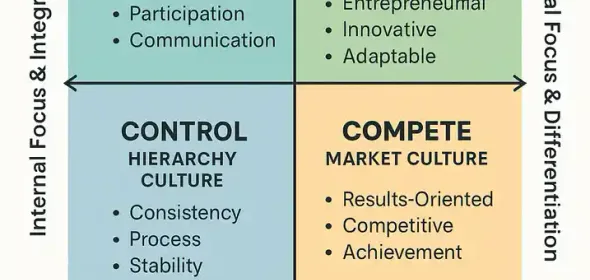
How to measure organizational culture: a practical guide
Plan a culture assessment with questionnaires, conversations and workplace examples. Understand CVF culture types and the limits of an individual result.
Latest articles

Applying for jobs after 50: make your experience relevant
Show how your experience fits the vacancy. Practical pointers for your CV, recent learning and questions to ask at interview.

Recruiting in a tight market: find the bottleneck
Low reach, few responses or drop-off after interviews? Examine four recruitment steps before adding channels or budget.
Making a job offer: which details should be clear?
Clarify role, pay, hours, start date and outstanding conditions after selection. A practical checklist for discussing an offer.
Finding a job without experience: what goes on your CV?
Use placements, education and projects to demonstrate skills. Recognise entry-level roles and ask concrete questions about training and support.
Culture fit and retention: what helps employees stay?
Explore culture fit without hiring copies of your team. Practical questions about expectations, work habits and employee retention.
Should you change jobs? Questions to help you decide
Map recurring problems, possible adjustments and alternatives before deciding whether to change jobs. A practical comparison exercise.
AI in recruitment: what should you automate?
Use AI for drafting and administration with checks on accuracy and selection criteria. A practical starting point without automatic rejection.
Finding work through social media: profile and message example
Explain the work you seek, contact your network purposefully and verify vacancy tips. A short message example with practical privacy checks.
Employer reputation and reviews: how to respond
Check what candidates find about your company, respond carefully to reviews and use recurring feedback to improve the working experience.
A long job search: keep your approach manageable
Set small weekly goals, plan breaks and identify where the search stalls. Practical support without promising that more effort always produces a job.
Attracting young talent: explain the first months at work
Make training, support, pay and hours concrete. A practical approach to entry-level recruitment without assumptions about an entire generation.
Applying without a degree: when is it worth trying?
Distinguish mandatory qualifications from employer preferences. Show relevant skills and experience when you do not hold the qualification in the advert.
Make a recruitment video: a simple 30-second shot list
Show tasks, workplace and colleagues with a short shot list. Add captions and a written advert, then measure whether the video leads to useful responses.
Salary negotiation: 3 phrases and a checklist
Prepare your pay discussion, clarify the full offer and record agreements. Three practical phrases covering gross pay, hours and benefits.
Improve your applications: track responses and next steps
Use a simple application record to identify outstanding responses, recurring questions and follow-up. Improve deliberately rather than sending more blindly.
Social recruiting: channels, post examples and measurement
Use social media for recruitment with a clear audience, practical job-post examples and measurement that follows responses through to interviews.
Building an employer brand: from promise to evidence
Make your employer story concrete through real working arrangements and examples. Practical steps for your careers page, adverts and interviews.
Nervous about a job interview? Practical tips
Prepare the practical details, take time to answer and ask for clarification. Useful phrases for an interview that feels stressful.
Job interview preparation: checklist and questions
Prepare examples of your experience, questions about the role and practical arrangements. A checklist for the days before your interview.
Reference checks: 4 questions and a careful approach
Prepare a job-related reference conversation with four specific questions, clear agreements with the applicant and attention to context.
Running a good job interview as an employer
Prepare relevant questions, explain the process and end with a clear next step. A practical checklist for a respectful candidate conversation.
Do you need a cover letter? A short example
When does a cover letter help, and when is a short message enough? Use this example to explain your interest and relevant experience clearly.
Job application email: example and checklist
Write a targeted application email, attach the right documents and plan a sensible follow-up. A short example you can adapt to the vacancy.
How to assess a CV: criteria, evidence and follow-up questions
Assess CVs against relevant tasks and skills. Use a simple evidence checklist and clarify missing information before drawing conclusions.
How to write a job advert: checklist and example
Write an advert with clear tasks, pay, hours, location and requirements. A before-and-after example and a check of the mobile application step.
Recruitment channels: which mix fits your vacancy?
Compare your careers site, job platforms, social media and referrals. Choose using reach, relevant responses and follow-up rather than a universal ranking.
Finding a job in Belgium: a practical search plan
Define your criteria, choose search channels and track applications. A manageable approach to finding work with clear next steps.