
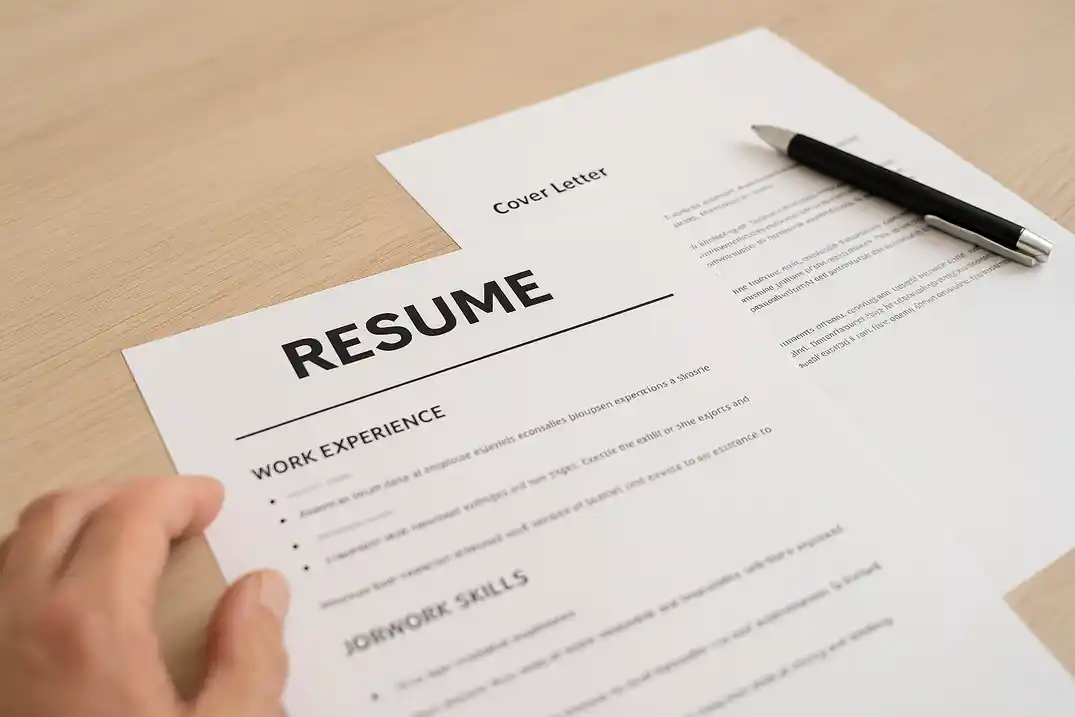
A good application quickly explains which role you want and what relevant experience you bring. Follow the vacancy’s instructions first. You do not need to send an email if the employer requests a form.
I would keep the message short and choose one concrete example linked to a core task.
Application email example
Subject: Application for [role]: [your name]
“Dear [name],
I am applying for [role] in [location]. I have experience with [relevant task] through [work, placement or project]. I am particularly interested in [specific part of the role].
My CV is attached. I would welcome a conversation about how my experience relates to your requirements.
Kind regards, [name and phone number]”
Replace all placeholders and use only experience you can explain.
Make your CV relevant
Highlight the most relevant tasks and skills. Include requested certificates you hold and check validity. Change emphasis, not facts. A career break does not require extensive personal disclosure; share relevant context you are comfortable providing.
Check before sending
Verify recipient, role, attachment and contact details. Use a recognisable file name such as “CV Firstname Lastname.pdf”. Open the attachment yourself. Record the vacancy and date in your application tracker.
When should you follow up?
Wait until an agreed response date. If none was given, a short message after a reasonable interval can ask whether the application arrived and when to expect news. Avoid daily repeats.
A short cover letter helps when requested or when it adds context. Meanwhile, prepare for your interview.
Find work that fits
Explore vacancies and compare tasks, hours and location with what you need.
Explore vacancies